Relatable
Relatable
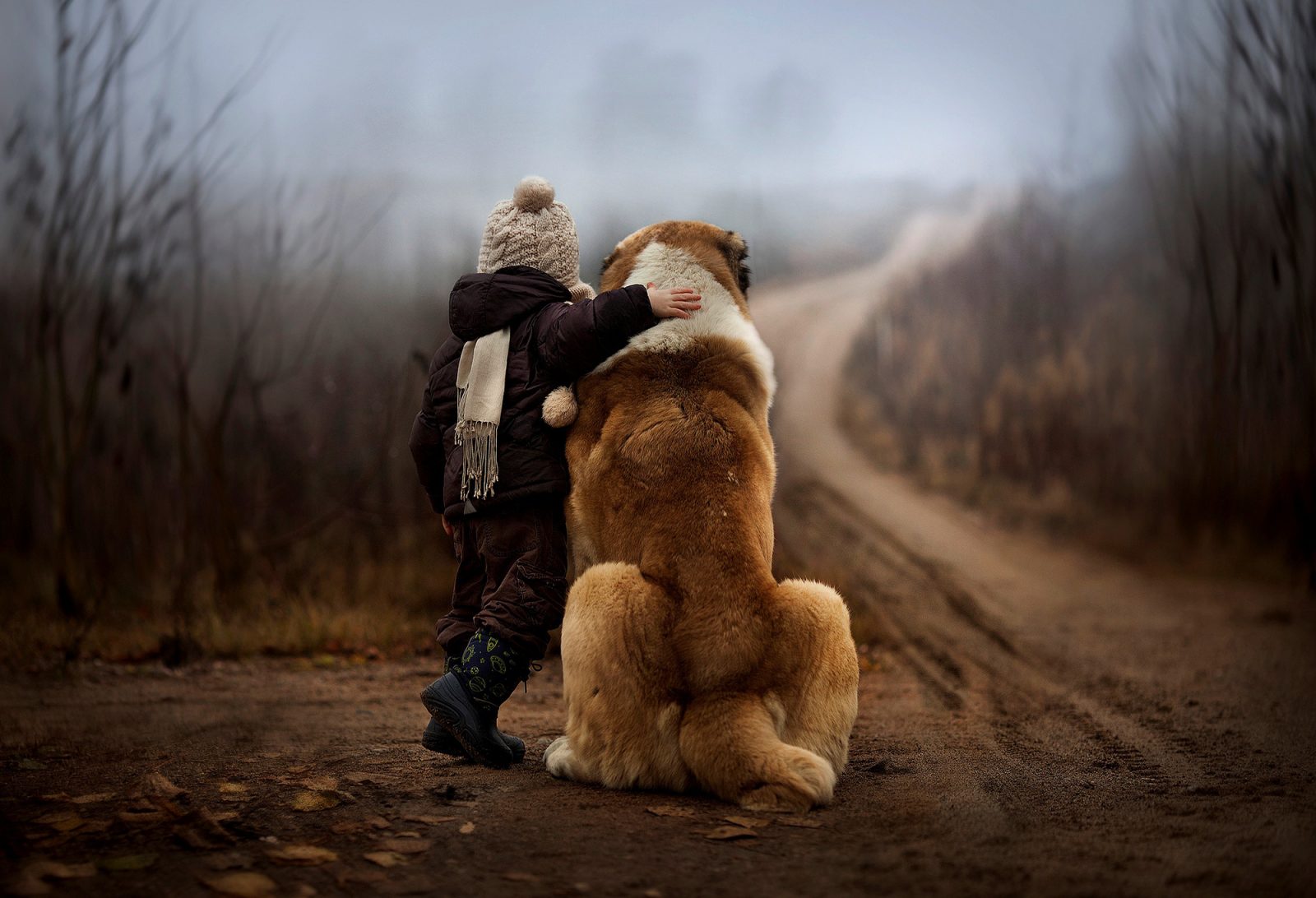
The whole world including nature and God are relatable! If by this I mean cockroaches and God are able to pop into the lounge and say “Hi!” I am crazy. However, from pet rocks, through kikuyu, to God there are many ways of describing ‘persona’, very little in inorganic stones a little more in grass and quite a lot in dolphins, bonobos and chimps! Rather than ‘persona’, I think this describes ‘my spirit’ a dimension of who I am that unifies who I am with meaning! If you (or God) were to call my name “Hey Brian” that gives meaning, to whom I am; and I respond, “Howzit!” This is my spirit. Giving my pet rock or cockroach a name, does little to our relationship because there is very little meaning to the rock as one of many rocks, with or without name!
What is it that makes us relatable? Here as I described the meaning of my spirit, I assumed my being. My spirit is the unity of the meaning and being and my being is a ‘power-of-being’, which actualises as life. Innate to life is the capacity to relate (to love). Before I become me, in that power-of-being I am sourced in God the ground of my being. This source is love itself so all my being is love and wants to relate to God and others as well as the earth. Why then do we not recognise God or love or even know how to relate? Actuality; before we became real human beings in the blueprint of God’s imagination, we were all happily in a kind garden of Eden where perfect relationships persuaded us all that actual creation would be possible but it was not perfect. It was good but not perfect. In the transition from blueprint to actual life, we did not relate easily as the model intended.
My actual existence is so overwhelming and powerful, I recognise only me. You, God and all creatures are nonentities. You are things that make up my world and feed me my hubris, greed and idol state – I am god! You, God and nature are also real – how else would I see you and use you? That is where the challenge begins, the moral imperative: I have to deal with you (plural) and you too recognise that I am real; I exist too. Now you can’t get too many gods in one room without something breaking out – a fight ensues and I get a bloody nose and so do you. Only the cockroaches escape us until we discover Doom!
The process of recovering our capacity to relate is a mutual and grudging recognition of the potential of the other person, God and cockroach. At first, it is conflict resolution: we can’t stand one another; it’s sandpaper time as we rub each other up the wrong way and sometimes the failure is permanent and we do not ever meet again, including God. Most times we give the other another chance, we are forgiving and continue a difficult and fraught relationship. Sometimes, right away we find a fantastic union, becoming close friends immediately. Usually, these are people, God and nature who think alike, speak the same language, dress similarly, live in the same socio-economic level and religion.
A new challenge faces us: tribe, nation and denomination force a separate togetherness. Once again, the other tribe, nation and religion continue to live as if we do not exist, yet we breathe the same air. We bump into each other but worse than sandpaper, now its guns and suicide bombers that separate us permanently.